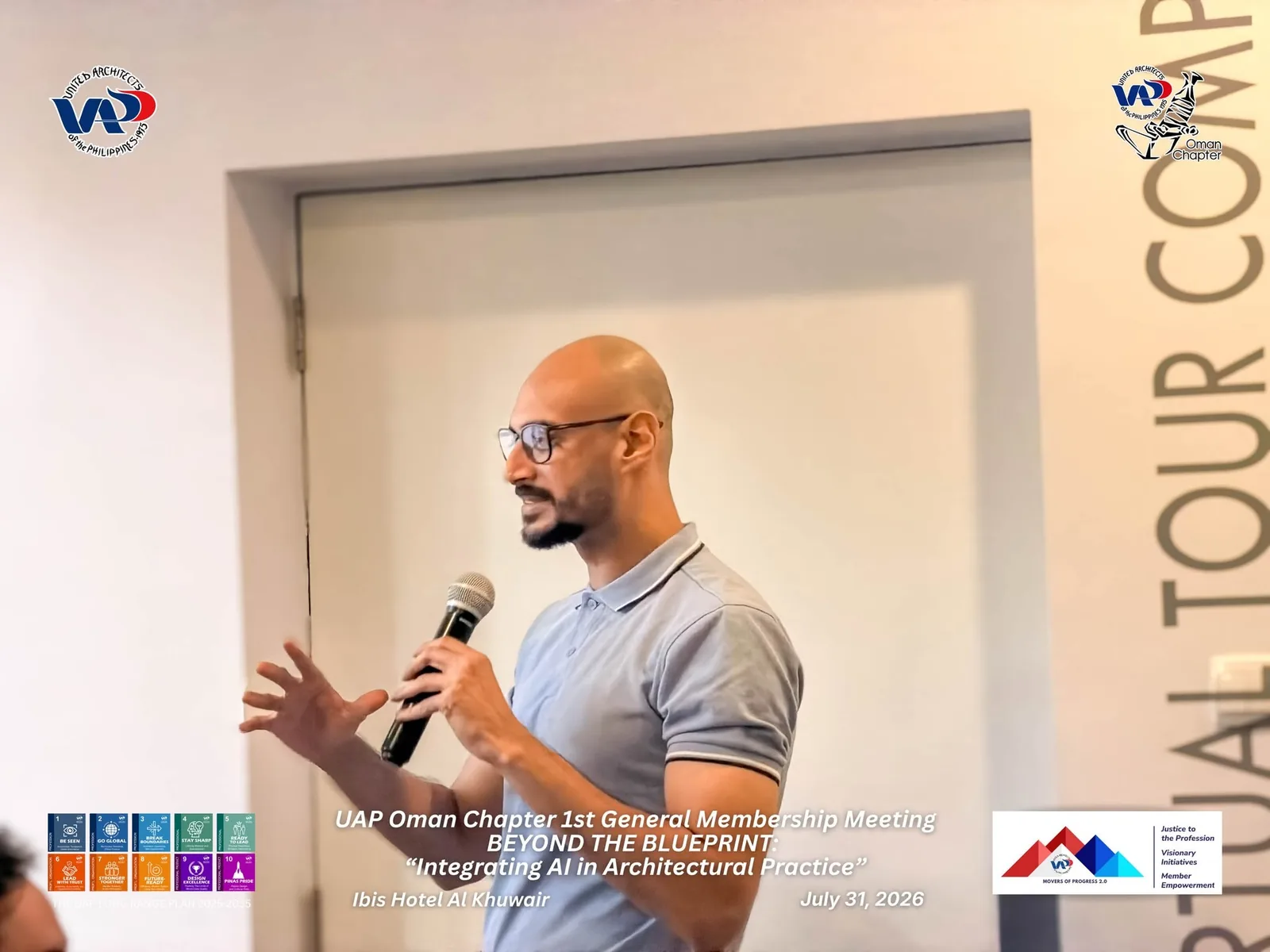
On 31 July 2026, at Ibis Al Khuwair in Muscat, Orfloat orchestrated Introduction to AI in Architecture with the United Architects Philippines (UAP) Oman Chapter, in collaboration with Skillova. The technical workshop brought the question of AI adoption into a room of practising architects.
Architecture is a useful test of whether AI can enter a real profession. Its work carries site constraints, codes, budgets, client preferences, revisions, standards, coordination, and accountable human judgment. It cannot be reduced to one impressive prompt.
- Event date
- 31 July 2026
- Location
- Ibis Al Khuwair, Muscat
- Hosted with
- UAP Oman Chapter and Skillova
- Focus
- Introduction to AI in Architecture
A profession is not a prompt
A prompt is a moment. Professional work is a loop. Watch a model produce a concept render or draft a specification and it is easy to mistake a demonstration for adoption. The more useful question is what a practice can do with a model, week after week, across real projects with real constraints.
The workshop was not built around a detached demo. It asked where the capability fits inside architectural work, what context the model needs, and where professional judgment must remain.
The model is the same for everyone. The practice is not.
The practice is the harness
We have described the capability overhang as the distance between what a frontier model can already do and what a working organization actually does with it. The gap is not access to a tool. The gap is embedding.
The harness is the half you own: the model is bought, but the context, tools, checks, and judgment around it are built. For an architect, that harness includes the firm’s written standards, its past projects, its review process, and its habit of verifying output before it reaches a client. A practice that supplies these things can turn capability into dependable work. A practice that waits for the model to supply them gets a demo.
A practical next move
1. Choose one recurring task
Start with a feasibility study, a code-compliance review, a first-pass specification, or another task that occurs often enough to test properly.
2. Define the standard and the boundary
Write down what good output looks like. Decide what stays human: the judgment call, the sign-off, and the work that carries a professional’s name.
3. Test before expanding
Check every output against the standard. Expand to another task only after the evidence holds. The loop can get faster while accountable judgment stays human.
Inside the workshop
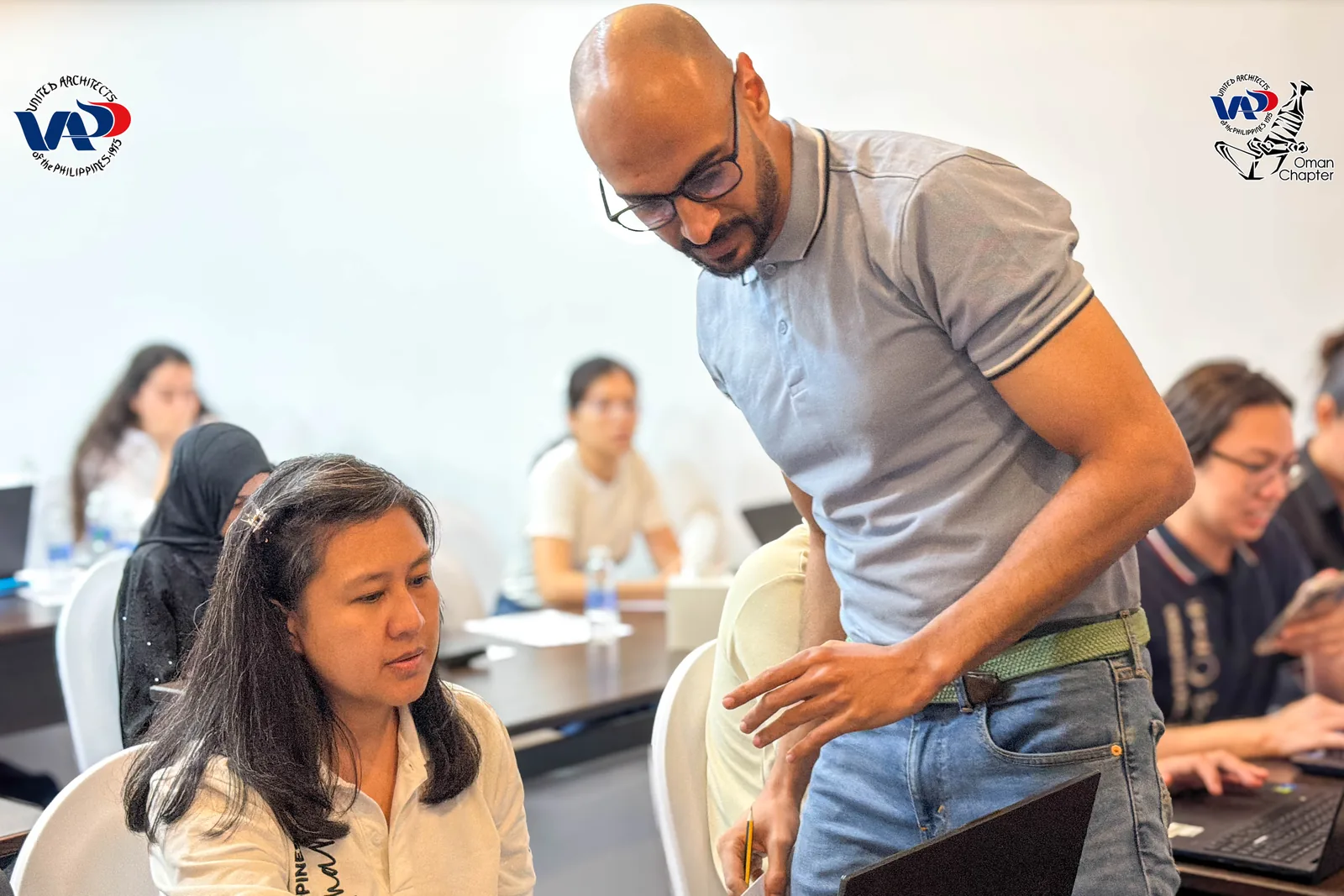
![A workshop facilitator helping a participant with a task at her laptop]()
Working through an AI task with a participant during the hands-on session. ![Architects attending the UAP Oman Chapter workshop working at their laptops]()
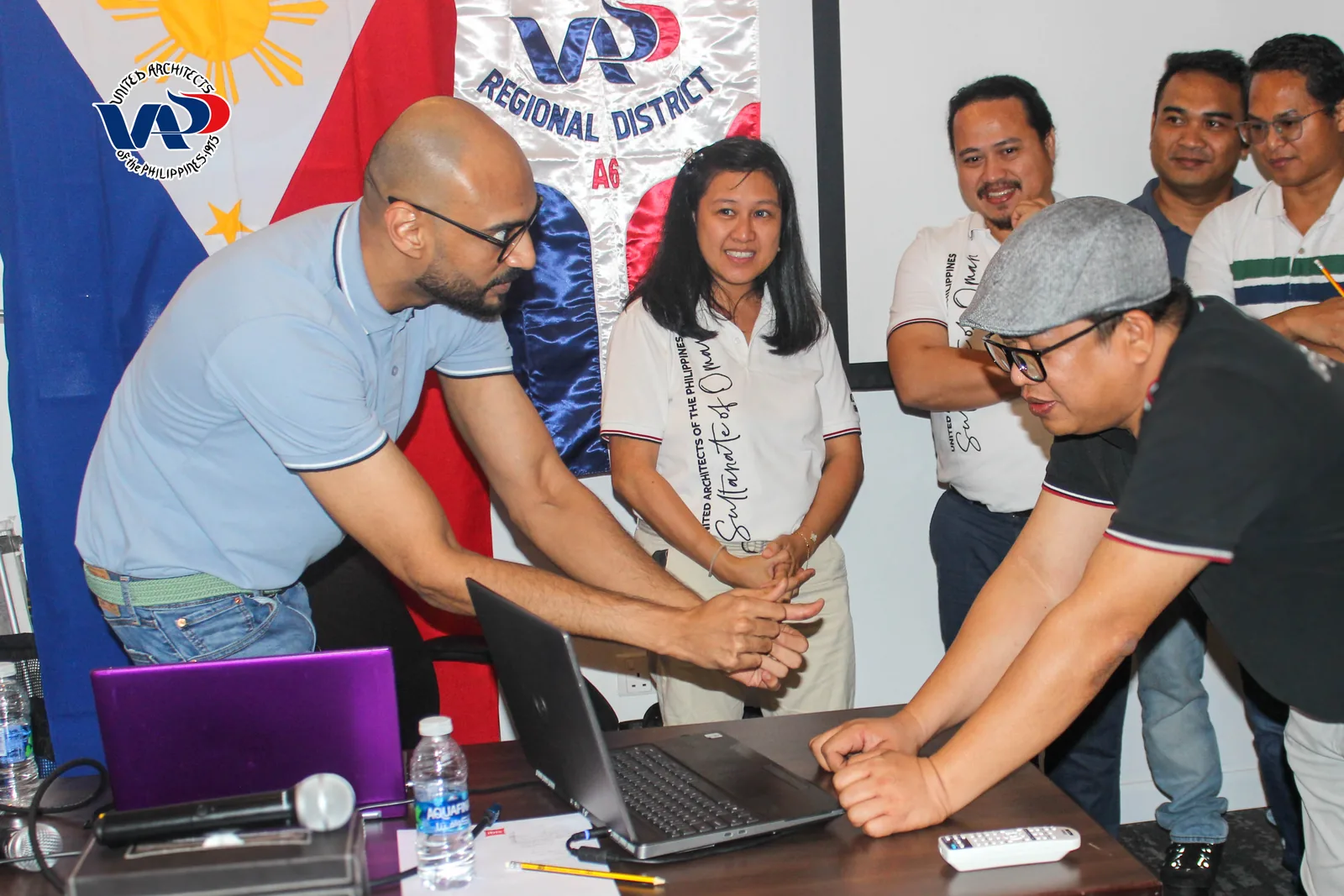
Architects work at their laptops during the workshop. ![Workshop participants gathered around a laptop during an exercise]()
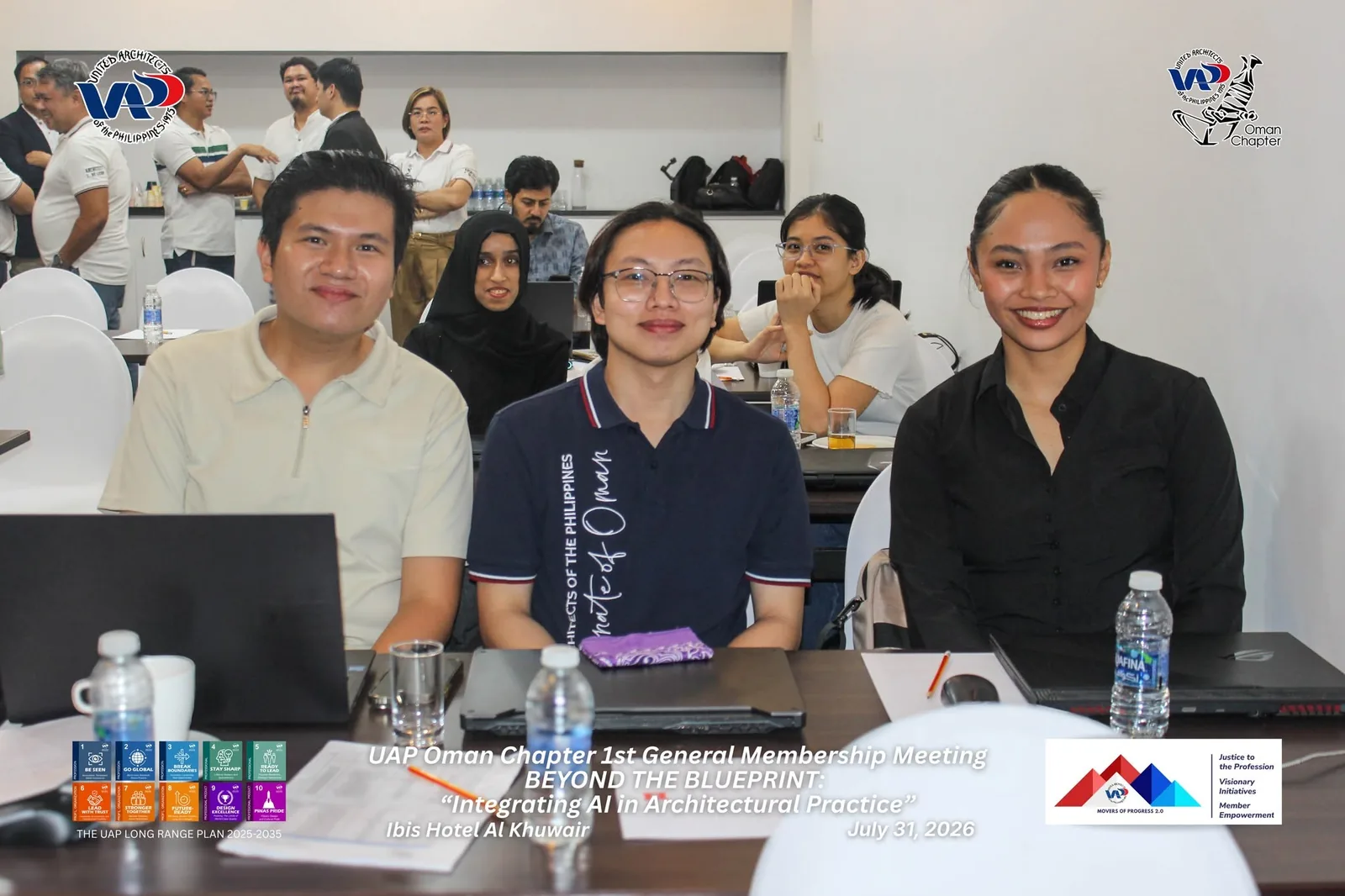
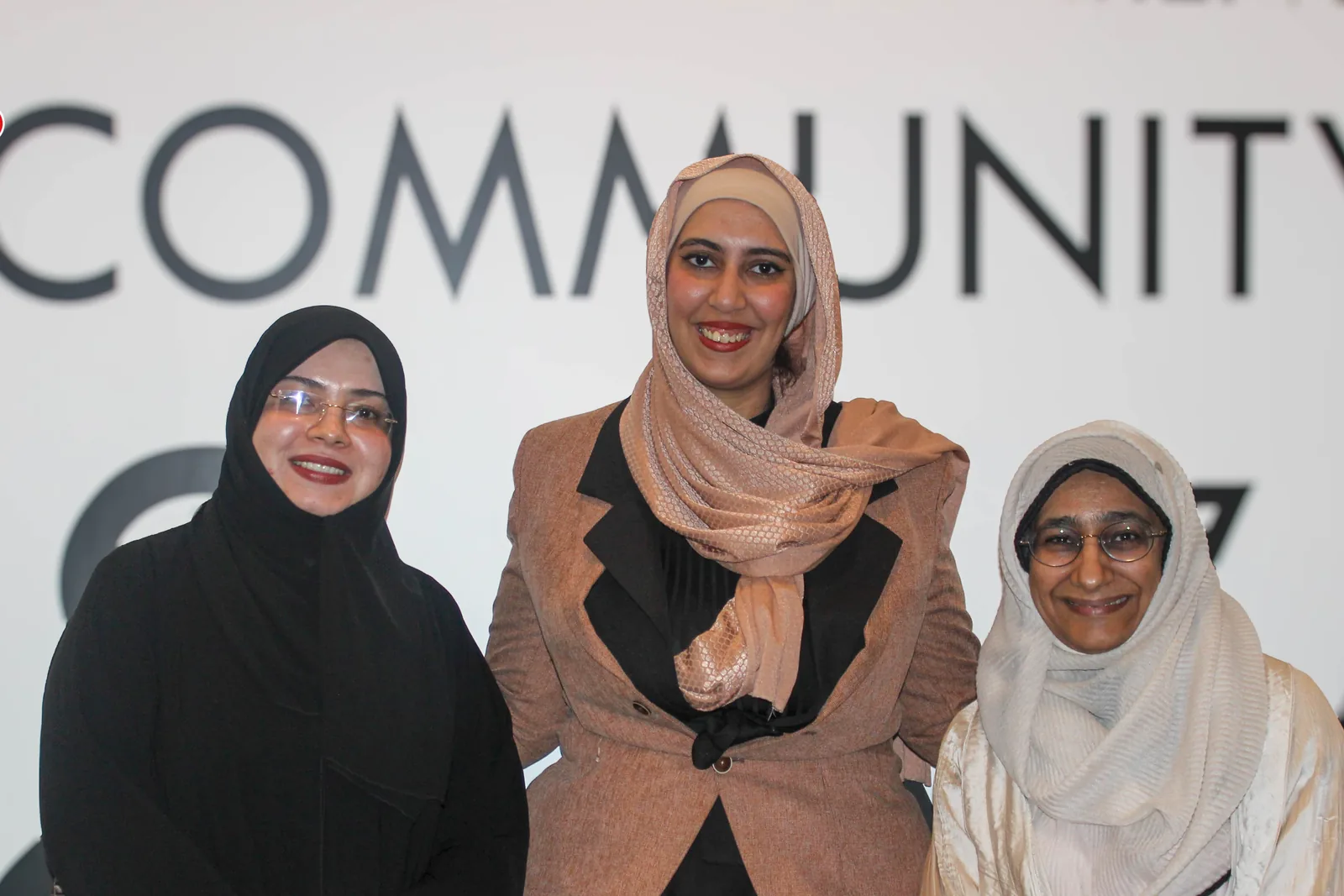
Participants gather around a laptop during a workshop exercise. ![Three participants together at the UAP Oman Chapter event]()
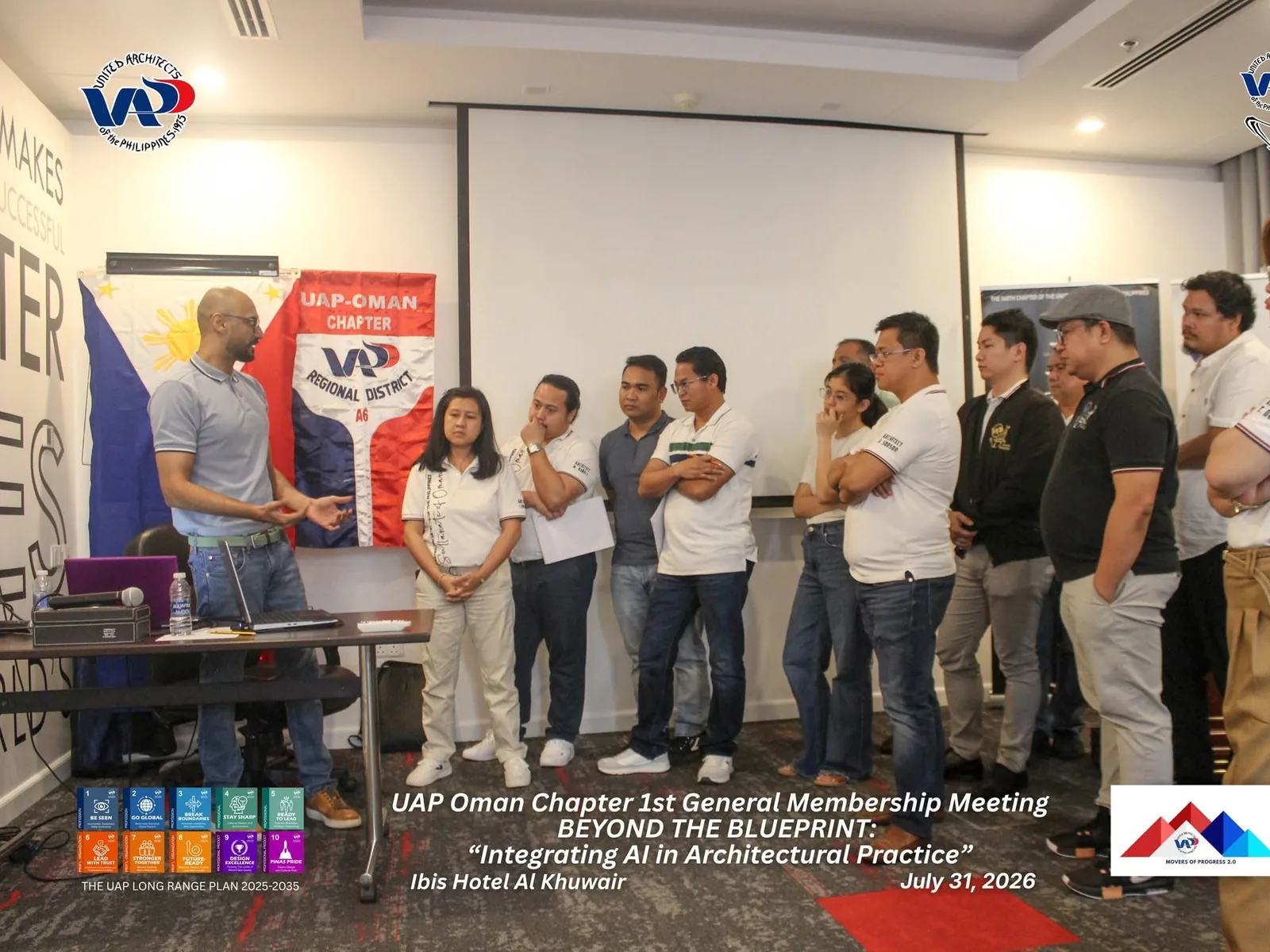
Participants at the UAP Oman Chapter event. ![Akram Ahmed presenting to the room at the UAP Oman Chapter workshop]()
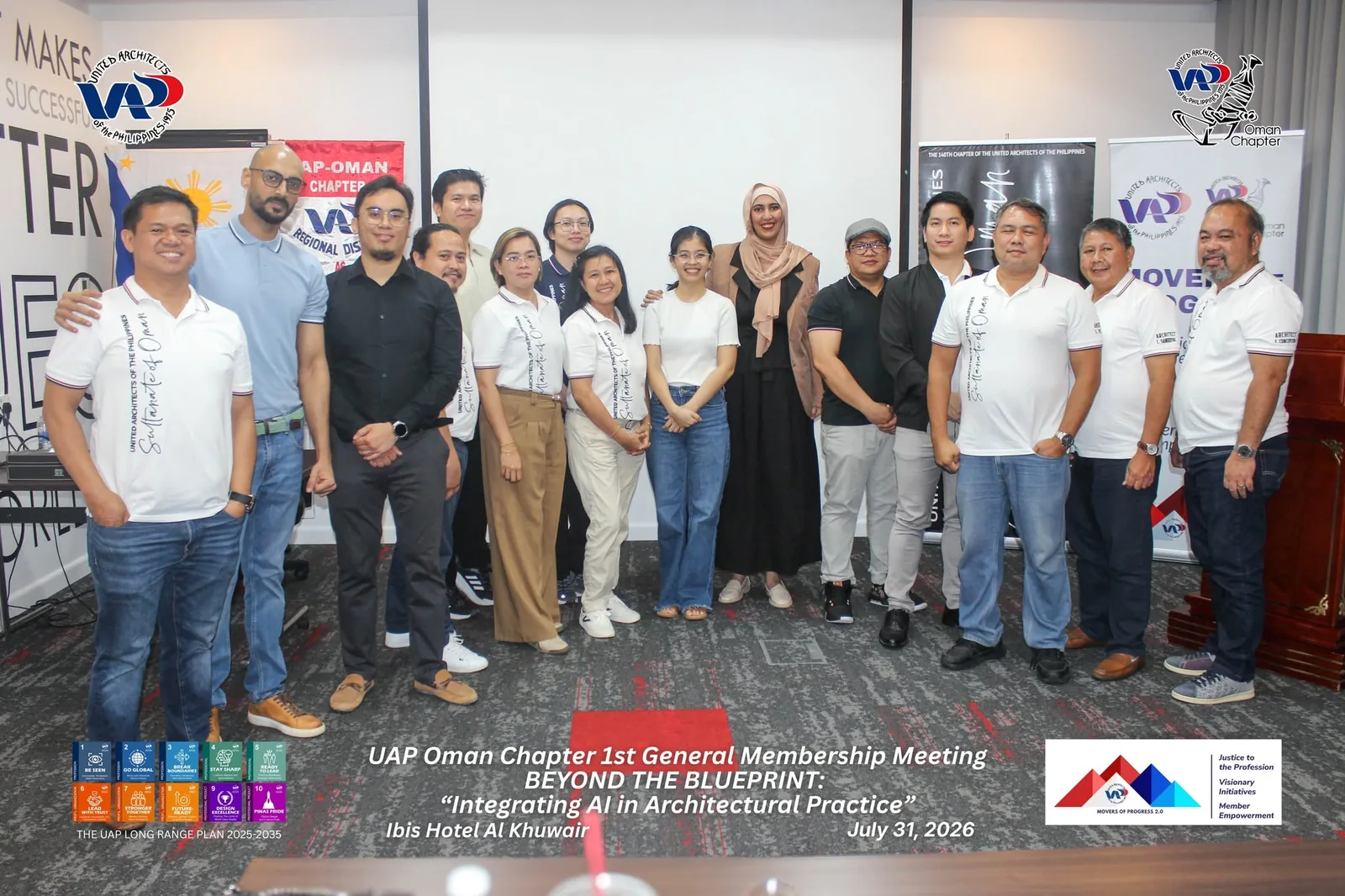
The workshop room at Ibis Al Khuwair, 31 July 2026. ![Group portrait of participants at the UAP Oman Chapter workshop]()
Participants at the close of the UAP Oman Chapter workshop.
Where capability becomes consequential
The measure of an evening like this is not what the model did on the screen. It is whether the professionals in the room can find the frontier inside their own work. Professions adopt tools in rooms like this one, together, in front of each other.
The frontier is only real where it lands.